
10 Best Things to Do in Europe for an Unforgettable Adventure
Europe is a continent of astonishing variety, where centuries of history, diverse languages, distinct culinary traditions, and dramatic landscapes sit shoulder to shoulder within remarkably short traveling distances. From Mediterranean coastlines to alpine summits and historic capitals, every corner offers something distinctive. While no single itinerary can cover everything, prioritizing iconic experiences that capture the continent’s spirit will ensure your journey is truly memorable.
Whether you are embarking on your first European tour or returning to cross new adventures off your travel bucket list, here are ten of the best things to do in Europe, blending world-class cultural traditions with outdoor expeditions and unforgettable scenery.
1. Sailing Along the Dalmatian Coast in Croatia
Croatia’s sun-drenched Adriatic coastline boasts some of the clearest turquoise waters on earth, making it an idyllic sailing paradise. Boarding a sailboat or catamaran allows you to bypass crowded highways and discover secluded coves inaccessible by land. Glide past limestone cliffs, drop anchor in the sheltered waters of Šćedro Bay, and wander through pine-scented trails in Mljet National Park, home to two interconnected saltwater lakes.
Along the way, explore the tranquil Elaphiti Islands near Dubrovnik, where car-free villages provide a welcome break from bustling tourist hubs. Spend afternoons swimming in warm waters and evenings sampling fresh Adriatic seafood and local olive oils at waterfront taverns.
2. Enjoying Afternoon Tea in London
Few cultural customs are as quintessentially British as afternoon tea. Dating back to the 1840s, this midday ritual centers around steaming loose-leaf black tea accompanied by warm buttermilk scones topped with Cornish clotted cream, strawberry jam, delicate finger sandwiches, and miniature pastries.
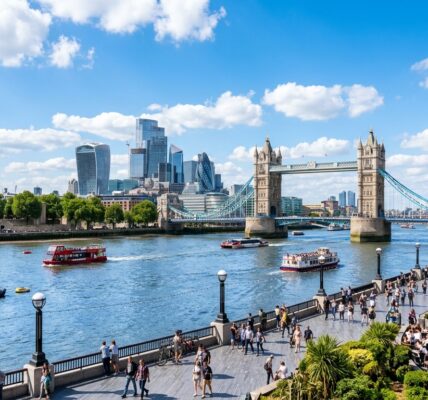
While historic London hotels offer classical, refined tea services, an innovative way to experience this tradition is aboard a vintage double-decker bus tour. As you sip Earl Grey and sample sweets, the bus rolls past world-famous sights like Big Ben, Westminster Abbey, Trafalgar Square, and the Tower of London, offering a delightful combination of sightseeing and comfort.
3. Exploring Paris Beneath the Night Lights
Paris is endlessly romantic by day, but when twilight descends, the “City of Light” takes on an entirely new aura. Major monuments, grand boulevards, and stone river bridges illuminate against the evening sky, creating a magical atmosphere that encourages long, leisurely walks.
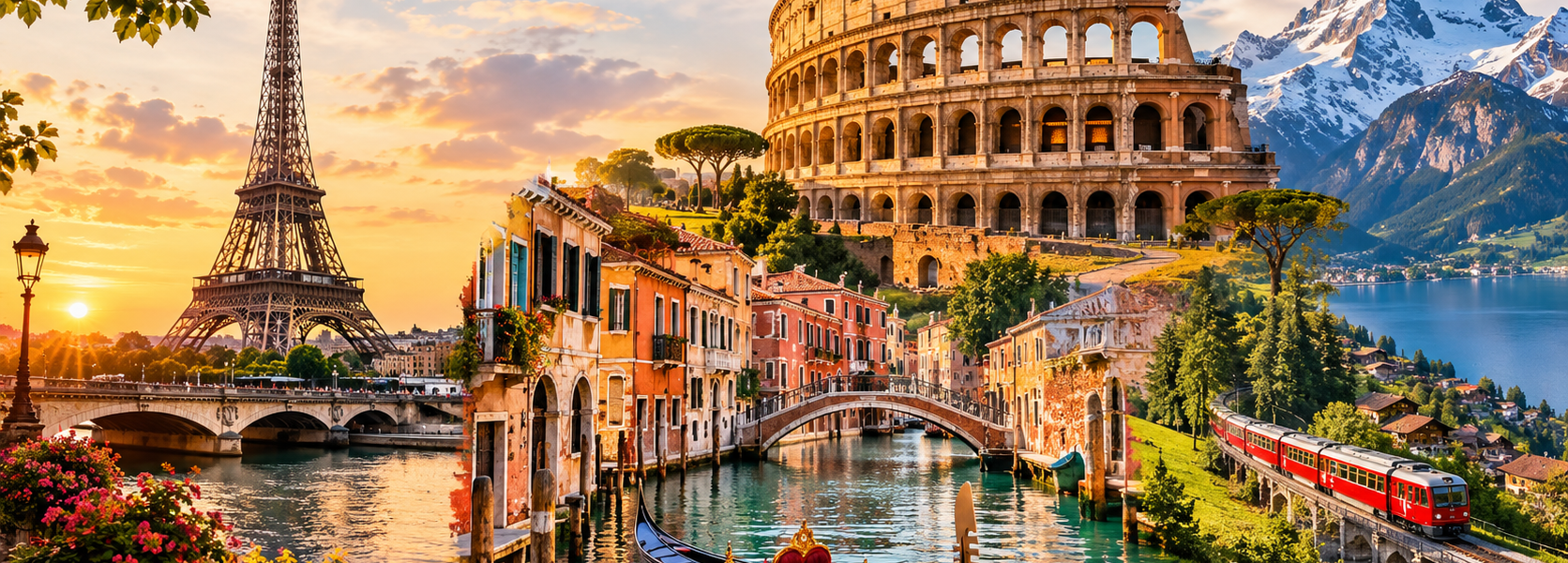
Take an evening stroll through the cobblestone alleys of Montmartre, or relax aboard a night cruise along the River Seine to watch illuminated masterpieces like the Louvre and Notre-Dame glide by. Be sure to position yourself near the Champ de Mars at the top of the hour, when twenty thousand golden lamps illuminate the Eiffel Tower in a dazzling five-minute sparkle show.
4. Riding the Bernina Express from Switzerland to Italy
For an alpine journey unlike any other, board the legendary Bernina Express, a panoramic train route linking Chur and St. Moritz in Switzerland with Tirano in northern Italy. Recognized as a UNESCO World Heritage railway, this engineering marvel climbs past tumbling waterfalls, massive glaciers, and crystalline mountain tarns without using a cogwheel system.
The train snakes over 196 bridges and through 55 tunnels, reaching its highest altitude of 2,253 meters at the Ospizio Bernina. Highlights include crossing the dramatic arched Landwasser Viaduct and circling the famous 360-degree Brusio Spiral Viaduct before descending into the sunlit palm trees of Italy.
5. Spending the Night in a German Fairytale Castle
Germany is home to thousands of medieval fortresses, but few experiences rival the thrill of spending the night within one. Perched 120 meters above the azure waters of Lake Edersee, Schloss Waldeck is an 11th-century hilltop castle that has been thoughtfully transformed into an elegant heritage hotel.
Guests can wander through ancient stone courtyards, explore an on-site museum documenting the fortress’s tumultuous past, and admire panoramic views over the rolling woodlands of Kellerwald-Edersee National Park. Dining on regional specialties on the castle terrace as the sun dips below the forested hills feels like stepping directly into a classic storybook.
6. Island Hopping Across the Greek Archipelago
With more than two hundred inhabited islands scattered across the Aegean and Ionian seas, Greece is the supreme destination for island hopping. Each island possesses its own unique character, architectural style, and pace of life.
While world-famous destinations like Santorini and Mykonos captivate travelers with whitewashed cliffside villages and vibrant beach clubs, quieter islands provide exceptional tranquility. Visit car-free Hydra, where donkeys remain the primary mode of transportation; head to Samothraki to swim in secluded freshwater rock pools; or explore mythological Ithaca for quiet coves and authentic harbor-side seafood tavernas.
7. Savoring the Swedish Tradition of Fika
In Sweden, fika is far more than simply having coffee; it is a cherished cultural institution and mindful philosophy of living. Several times a day, locals pause their work or busy schedules to relax, connect with friends, and enjoy a warm beverage paired with a freshly baked sweet treat—most iconically a kanelbulle (cardamom-scented cinnamon bun).
When visiting Stockholm, spend time cafe hopping through the cobblestone streets of Gamla Stan (the Old Town) or the trendy district of Södermalm. Sitting down for an unhurried fika offers a delightful window into Swedish daily life and a timely reminder to savor the present moment.
8. Cycling the Scenic Canals of Amsterdam
Amsterdam is globally recognized as the cycling capital of the world, boasting more bicycles than permanent human residents. With hundreds of kilometers of dedicated, segregated cycle paths and flat terrain, renting a bicycle is the best way to explore like a true local.
Pedal across historic stone bridges spanning the UNESCO-listed 17th-century canal ring, explore the quiet residential lanes of the Jordaan, or cruise through the sprawling green expanses of Vondelpark. Riding along the canals lets you absorb the city’s architectural beauty and relaxed rhythm at your own speed.
9. Marveling at the Romantic Palaces of Sintra in Portugal
Located just a forty-minute train journey west of Lisbon, the misty mountain town of Sintra is a UNESCO World Heritage cultural landscape. Nestled amidst the pine-covered peaks of the Sintra-Cascais Natural Park, the region served for centuries as a royal summer retreat.
The star attraction is the vivid yellow and terracotta Pena Palace, a Romanticist masterpiece perched high above the clouds featuring ornate Moorish arches, Gothic turrets, and Renaissance detailing. Don’t miss exploring the mystical gardens of Quinta da Regaleira, famous for its subterranean Initiation Well and winding stone grottoes.
10. Hiking Between the Coastal Hamlets of Cinque Terre
Carved into the rugged sea cliffs of the Italian Riviera, Cinque Terre comprises five pastel-hued fishing villages: Monterosso al Mare, Vernazza, Corniglia, Manarola, and Riomaggiore. Interconnected by scenic cliffside hiking trails, local trains, and passenger ferries, these centuries-old hamlets offer breathtaking coastal panoramas.
Hike along segments of the Blue Trail (Sentiero Azzurro) through terraced olive groves and steep vineyards, pausing in village plazas to cool off with artisan gelato or fresh seafood and handmade trofie pasta tossed in regional basil pesto.
Frequently Asked Questions
What is the most efficient way to travel between European countries?
Europe’s extensive rail network is the most convenient way to navigate the continent. High-speed rail lines connect major capitals like Paris, London, Brussels, and Amsterdam within hours, eliminating airport transfer hassles.
When is the best season to visit Europe for outdoor activities?
The shoulder seasons of spring (April to June) and autumn (September to October) offer ideal weather, comfortable temperatures for walking and cycling, and significantly smaller crowds than the peak summer months.
Do I need multiple visas to travel across Europe?
Most popular European destinations belong to the Schengen Zone, allowing international travelers to move seamlessly across borders within member states on a single tourist visa without border checks.