
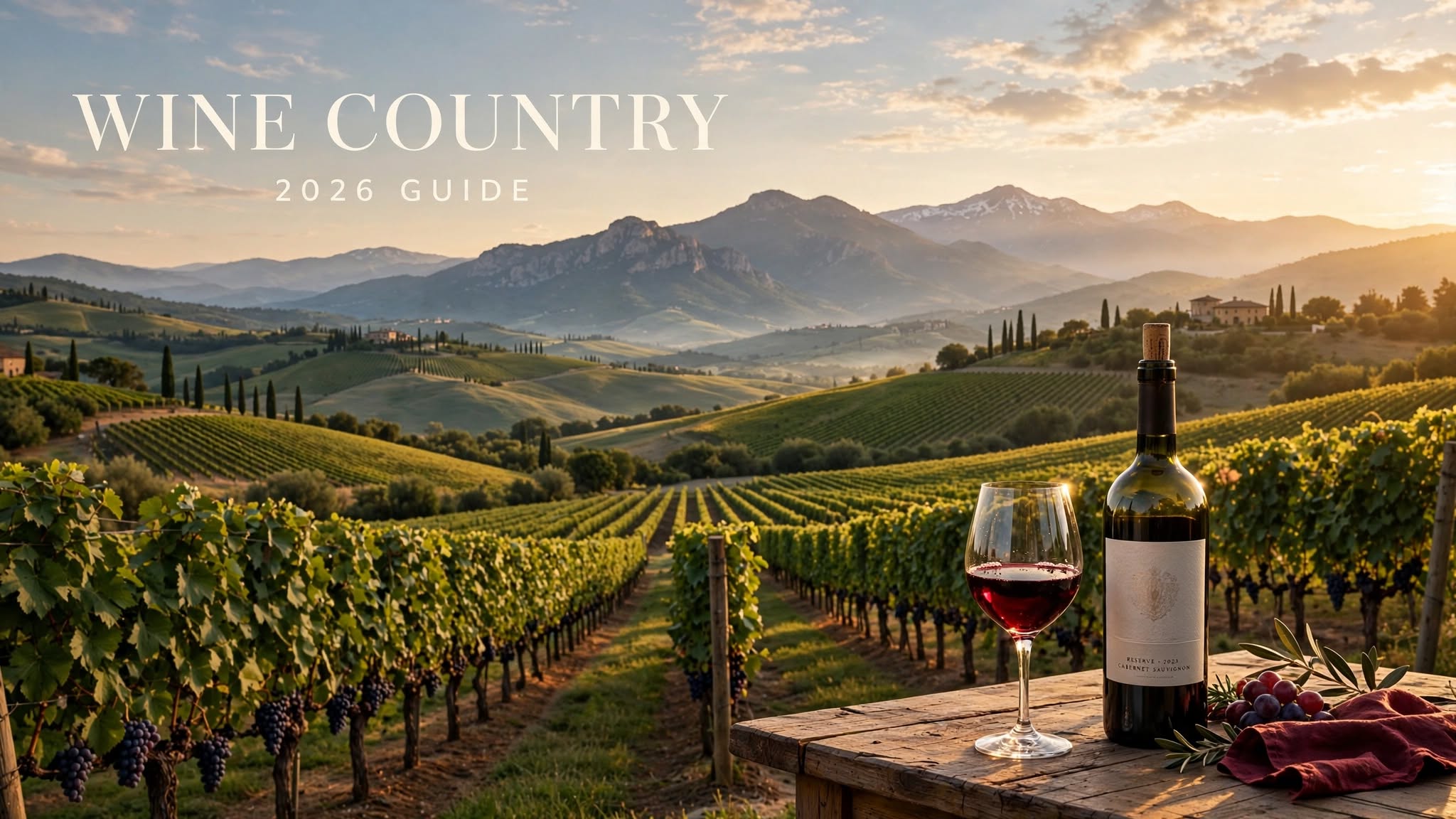
2026’s Ultimate Guide to the World’s Most Breathtaking Wine Regions

Wine is far more than a simple beverage; it is a profound cultural experience and a liquid art form that tells the story of the land. Across the globe, incredible landscapes have been shaped by centuries of viticulture, offering wine lovers an endless array of flavors, aromas, and histories to explore. Whether you are wandering through the meticulously manicured estates of Western Europe or soaking in the sun-drenched, rugged terrains of the Americas, every major wine region provides its own distinct character. As we look ahead to travel in 2026, the resurgence of enotourism—or wine tourism—has made it easier and more exciting than ever to visit these legendary vineyards. In this guide, we will embark on a spectacular journey through the most breathtaking and celebrated wine destinations around the world.
Europe: The Cradle of Wine
France: The Iconic Wine Giant
No journey through the world of wine could possibly begin anywhere other than France. Regarded universally as the absolute benchmark for classical winemaking, France boasts regions that are practically sacred to oenophiles. Take Bordeaux, for example; this globally revered region is famous for producing rich, deeply complex, and age-worthy red blends. Meanwhile, the pastoral slopes of Burgundy offer a masterclass in terroir, yielding what many consider the most expressive and nuanced Pinot Noirs and Chardonnays on the planet. And, naturally, we cannot overlook the Champagne region. True to its tightly guarded heritage, this is the only place on earth where authentic Champagne is born, offering effervescent elegance that remains the international standard.
Italy: The Land of Diverse Wines
If France is the master of structure, Italy is the undisputed king of sheer variety. Stretching from the alpine borders of the north to the sun-baked islands of the Mediterranean, Italy’s varied climates nurture an astonishing array of indigenous grape varieties. Tuscany remains a perennial favorite for wine travelers, offering idyllic rolling hills dotted with cypress trees and producing robust reds like Chianti Classico and the prestigious Brunello di Montalcino. If you venture into the northeastern Veneto region, you are greeted by the refreshing bubbles of Prosecco, which continues to dominate the global sparkling wine market in 2026. From the bold Barolos of Piedmont to the volcanic whites of Sicily, Italy guarantees an unforgettable tasting adventure.
Spain: The Heart of Tempranillo
Spain seamlessly blends ancient winemaking traditions with a fiery, passionate culture, resulting in some of the most dynamic wines available today. At the very center of Spain’s viticultural identity is La Rioja, a breathtaking region famous for its masterful use of the Tempranillo grape. Rioja wines are celebrated for their distinctive oak-aging process, delivering layers of vanilla, leather, and ripe red fruit. Beyond the legendary reds of the north, Catalonia offers Cava, Spain’s signature sparkling wine produced using the traditional method, offering incredible complexity. Traveling southward to Andalusia, the fortified wines of Jerez—better known as Sherry—provide a remarkably diverse tasting experience.
The Americas: New World Wines
California: The Napa and Sonoma Valleys
When it comes to New World wines, the United States commands immense respect, led fiercely by the iconic twin valleys of Northern California. Napa Valley and Sonoma County remain the absolute epicenter of American viticulture. Napa is globally celebrated for its powerful, fruit-forward Cabernet Sauvignons and buttery Chardonnays, offering luxurious tasting room experiences that rival the finest hospitality in the world. Just next door, Sonoma Valley provides a slightly more relaxed, rustic charm, with its diverse microclimates allowing a wider variety of grapes to thrive, including elegant Pinot Noirs and robust Zinfandels.
Argentina: The Land of Malbec
Nestled against the dramatic peaks of the Andes Mountains, Argentina’s Mendoza region is a visual and sensory masterpiece. This high-altitude desert has become synonymous with one specific grape: Malbec. Originally a blending grape in France, Malbec found its true home in the bright sunshine and cool nights of Argentina, resulting in plush, full-bodied red wines bursting with dark plum and blackberry flavors. In 2026, Mendoza continues to rapidly expand its eco-tourism infrastructure, making it incredibly accessible for travelers who want to explore modern, architecturally stunning wineries while enjoying world-class beef.
Chile: The Valley of Varietals
Sharing the Andes with Argentina, Chile boasts a completely different, yet equally fascinating, wine environment. The Central Valley of Chile is a veritable paradise for grape growing, protected by mountains to the east, the Pacific Ocean to the west, and deserts to the north. This extreme geographical isolation has kept the vineyards incredibly healthy and free of many common pests. Chile is widely celebrated for producing outstanding Cabernet Sauvignon, Merlot, and its signature grape, Carmenere—a lost Bordeaux varietal that was rediscovered in Chilean vineyards. Today, Chilean wines are globally recognized for delivering exceptional quality.
Australia and New Zealand: Southern Hemisphere Gems
Australia: The Barossa Valley
Australia’s wine industry is bold, innovative, and unapologetically flavorful, and nowhere is this more evident than in South Australia’s Barossa Valley. Located just a short drive from Adelaide, the Barossa is the historic heartland of Australian Shiraz. The warm climate here yields incredibly dense, opulent, and spicy red wines that have garnered a massive international following. In addition to Shiraz, the region boasts some of the oldest continuously producing vines in the world, allowing winemakers to craft deeply concentrated Grenache and Cabernet Sauvignon. The welcoming Australian hospitality makes visiting these historic cellar doors a joy.
New Zealand: The Marlborough Marvel
If there is one region that completely changed the global perception of a single grape variety, it is Marlborough, New Zealand. Situated at the top of the South Island, this cool-climate region catapulted to fame by producing wildly aromatic, intensely vibrant Sauvignon Blancs. With trademark notes of passionfruit and gooseberry, Marlborough Sauvignon Blanc is instantly recognizable and universally refreshing. Beyond their famous whites, the region’s long, cool growing seasons have also proven to be highly successful for cultivating premium Pinot Noir and crisp, elegant Chardonnays, making it a must-visit destination for 2026.

South Africa: The Cape Winelands
South Africa bridges the gap between Old World tradition and New World innovation, producing wines of incredible character and history. Just a short, incredibly scenic drive from Cape Town lies the Cape Winelands, anchored by the famous towns of Stellenbosch and Franschhoek. The terroir here is heavily influenced by the cooling breezes of the Atlantic and Indian Oceans, combined with ancient, complex soils. South Africa is famous for its Chenin Blanc, which produces highly versatile and textured white wines. The region is also the exclusive home of Pinotage, a unique red cross between Pinot Noir and Cinsaut.
Final Words
Embarking on a journey through the world’s most celebrated wine regions is one of the most rewarding ways to experience a new culture. Whether you find yourself drawn to the deeply rooted history and classic elegance of European vineyards, the bold innovation and stunning landscapes of the Americas, or the unique, vibrant expressions found in the Southern Hemisphere, there is a perfect glass waiting for you. Each of these extraordinary destinations offers so much more than just a tasting; they offer a profound connection to the land, the people, and the history that shapes every single bottle.
FAQs
1. What is the best time of year to plan a wine tasting trip?
The ideal time to visit depends entirely on the hemisphere. If you are traveling in the Northern Hemisphere, the late summer and early autumn months of September and October are perfect for witnessing the harvest. In the Southern Hemisphere, the harvest season occurs between late February and April.
2. Are winery tours and tasting rooms open to the general public?
Yes, the vast majority of major wine regions have heavily invested in hospitality and welcome visitors. However, as wine tourism grows in 2026, many of the more exclusive or boutique wineries require reservations booked well in advance, so plan your itinerary ahead of time.
3. How should I choose which wine tour is right for me?
When selecting a tour, consider your personal wine preferences, the amount of time you have, and the level of education you want. Look for tours that offer intimate group sizes, behind-the-scenes access to the cellars, and immersive experiences like food pairings.
4. Is it easy to find regions that focus on sustainable or organic wines?
Absolutely. Sustainability is a massive focus for the global wine industry in 2026. Regions across France, Italy, California, and New Zealand have strict organic and biodynamic certifications. Many wineries prominently feature their eco-friendly farming practices as a core part of their tour experience.
5. Can I buy wine directly from the estates and ship it home?
Yes, buying wine directly from the cellar door is a fantastic way to acquire rare or limited-production bottles. Most major wineries have dedicated shipping partners that can safely transport your purchases internationally, though you should verify your home country’s customs regulations.
