
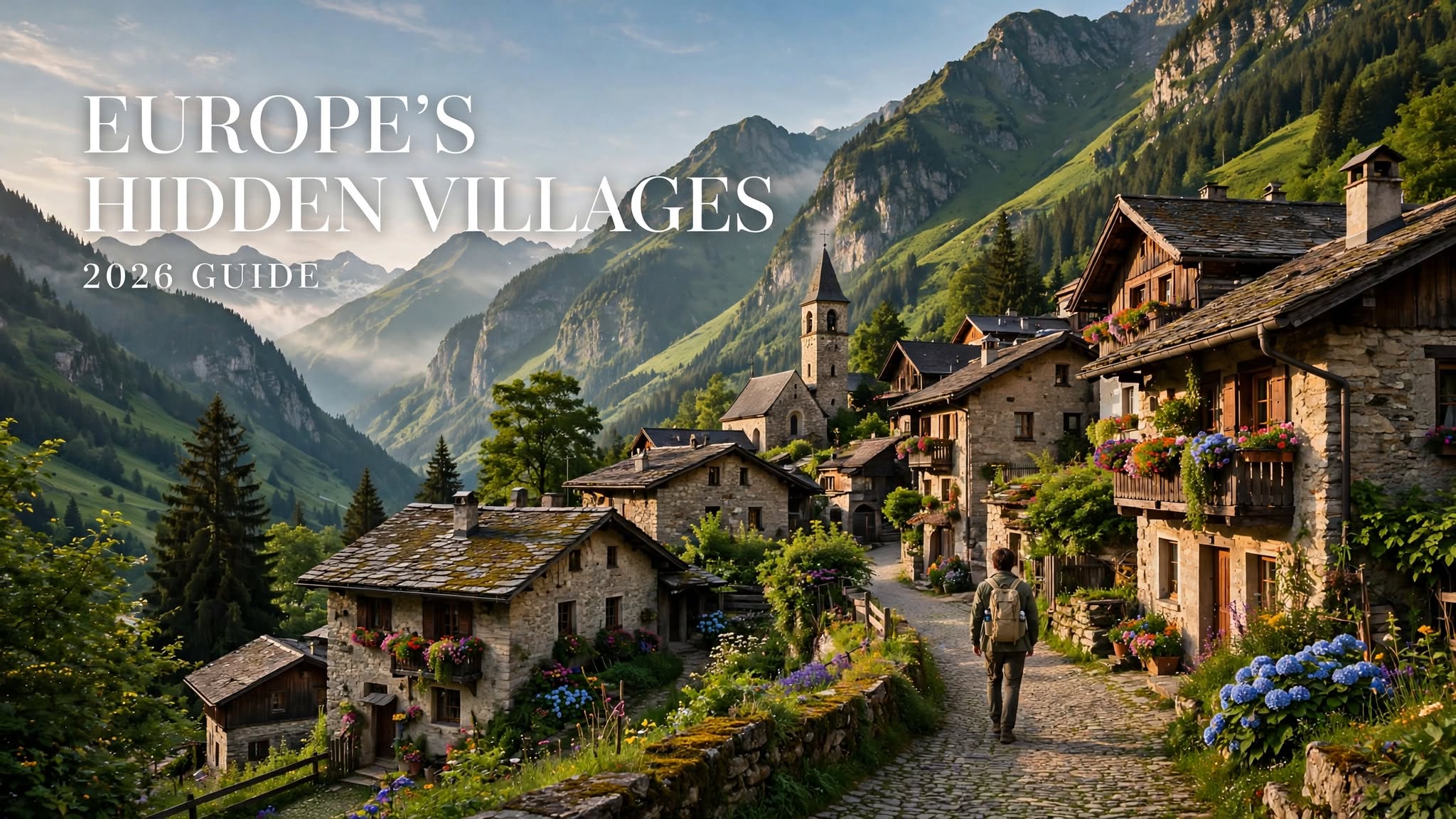

Europe is universally celebrated for its grand metropolises, drawing millions to the romantic boulevards of Paris, the ancient ruins of Rome, and the vibrant architecture of Barcelona. However, beyond these iconic cityscapes lies the true, beating heart of the continent: its small, impossibly picturesque villages. For the traveler in 2026 seeking to escape the overwhelming crowds and discover a more authentic, unhurried pace of life, these hidden gems offer a sanctuary of culture and unparalleled natural beauty. From secluded Alpine hideaways surrounded by jagged peaks to tranquil coastal hamlets and storybook towns frozen in time, stepping into these communities feels like walking into a living painting. If you are looking to enrich your next European adventure with intimate local experiences, stunning architecture, and profound tranquility, here is your definitive guide to the most breathtaking, underrated European villages you absolutely need to visit this year.
Hallstatt, Austria: An Alpine Fairytale Come to Life
Tucked away in the dramatic mountainous region of Salzkammergut, Hallstatt is a destination that completely defies imagination. Often considered one of the oldest still-inhabited settlements in Europe, this tiny Austrian village sits precariously between the glass-like waters of Lake Hallstatt and the towering, snow-capped peaks of the Dachstein Alps. While it has gained popularity in recent years, visiting in 2026 allows you to take advantage of new sustainable tourism initiatives that have successfully restored the village’s peaceful atmosphere.
Wandering through Hallstatt is a sensory delight. The 16th-century Alpine houses cascade down the steep hillsides, creating a stunning reflection on the lake below. Beyond the charming main square, visitors can delve into history by exploring the ancient salt mines—the oldest in the world—which offer a fascinating glimpse into the industry that built this region’s wealth. For an unforgettable perspective, take a leisurely electric boat ride across the lake at dawn to watch the morning mist slowly lift.
Giethoorn, Netherlands: The Serene Venice of the North
Imagine a village completely devoid of cars, where the only sounds are the gentle rustling of leaves and the soft splash of oars in the water. This is Giethoorn, an incredibly idyllic village located in the northeastern province of Overijssel in the Netherlands. Often referred to as the “Venice of the North,” Giethoorn replaces traditional roads with a labyrinth of narrow, peaceful canals connected by more than 150 rustic wooden footbridges.
To truly experience the magic of Giethoorn in 2026, renting an eco-friendly “whisper boat” is an absolute must. As you silently navigate the waterways, you will glide past immaculately manicured gardens and centuries-old, thatched-roof farmhouses. If you prefer to stay on dry land, the village is bordered by an extensive network of cycling paths that wind through the surrounding National Park, offering nature lovers a pristine, uncrowded landscape.
Bibury, England: The Quintessential Cotswolds Escape
Deep in the heart of the Gloucestershire Cotswolds lies Bibury, a place once described by the legendary artist William Morris as “the most beautiful village in England.” Despite its fame among locals, it remains remarkably pristine and offers a profound sense of stepping back into a simpler era. The defining feature of Bibury is Arlington Row, a visually striking line of 14th-century weaver’s cottages. Constructed from the region’s signature honey-colored limestone, these cottages boast steeply pitched roofs and sit peacefully along the banks of the River Coln.
Beyond capturing the perfect photograph of Arlington Row, visitors in 2026 can spend their days exploring the lush, rolling green hills of the Cotswolds on numerous scenic footpaths. A visit to the historic Bibury Trout Farm provides a uniquely local experience where you can enjoy the beautifully maintained water gardens. The atmosphere here is unapologetically slow and tranquil, making it the ultimate destination for those looking to disconnect and savor a traditional English afternoon tea.
Colmar, France: A Storybook Masterpiece in Alsace
Situated in the renowned Alsace region, perfectly wedged between the borders of France and Germany, Colmar is a vibrant tapestry of cultures, flavors, and architecture. Having miraculously survived the devastation of various wars, the village’s Old Town is a flawlessly preserved wonderland of cobblestone streets and brightly painted, half-timbered houses that date back to the Renaissance. The distinct blend of French elegance and German robustness gives Colmar an atmosphere unlike anywhere else in Europe.
The crown jewel of Colmar is a picturesque neighborhood known affectionately as “Little Venice.” Here, pastel-colored merchant houses line the edges of the Lauch River, creating a wildly romantic setting that is best explored via a slow, traditional flat-bottomed boat ride. Furthermore, as the capital of the Alsace Wine Route, Colmar is a haven for oenophiles. In 2026, the region’s focus on organic winemaking means you can spend your afternoons sampling world-class Rieslings and indulging in local culinary delights like tarte flambée.
Sintra, Portugal: The Mystical Realm of Palaces and Forests
Just a short train ride from the bustling streets of Lisbon, Sintra feels as though it exists in an entirely different dimension. Nestled within the lush, fog-draped peaks of the Serra de Sintra mountains, this UNESCO World Heritage site is a place of magic, mystery, and profound romanticism. Sintra is less of a traditional village and more of a sprawling, forested kingdom dotted with wildly eccentric palaces, ancient Moorish ruins, and hidden, botanical gardens.
The iconic Pena Palace, with its vivid yellow and red terraces sitting high above the clouds, is the undeniable focal point, offering panoramic views that stretch all the way to the Atlantic Ocean. However, the true secret to experiencing Sintra in 2026 is delving into its lesser-known corners. The Quinta da Regaleira is an absolute must-visit; this gothic estate features a sprawling, mystical garden complete with hidden grottos and the famous Initiation Well. Sintra’s microclimate keeps it wonderfully cool year-round.
Final Words
While the monumental cities of Europe will always hold an undeniable allure, it is within these quieter, lesser-known villages that the true soul of the continent reveals itself. From the glassy, alpine waters of Austria to the sun-dappled canals of the Netherlands and the mystical, forested hills of Portugal, these destinations offer a profound reminder of the beauty of slowing down. As you plan your travels for 2026, consider stepping off the well-worn tourist trail. By visiting these breathtaking European villages, you are stepping into a living storybook and creating memories that will resonate long after you return home.
Frequently Asked Questions
1. Are these remote villages easily accessible by public transportation?
Yes, the European public transit network is incredibly efficient. Destinations like Sintra and Colmar are easily reached by direct train lines from major hubs. Villages like Hallstatt and Giethoorn may require a combination of trains and a short bus or ferry ride, but the journey is scenic.
2. Is English widely spoken in these smaller European communities?
While the primary language varies by country, English is very widely understood and spoken across all these villages, particularly by those working in hospitality. Learning a few basic phrases in the local language is always highly appreciated.
3. Will these villages be overly crowded with tourists in 2026?
While places like Hallstatt have seen high tourism in the past, new crowd-control measures and sustainable travel initiatives implemented for 2026 have drastically improved the experience. To ensure the most peaceful visit possible, it is recommended to travel during the shoulder seasons.
4. What is the best time of year to visit these European hidden gems?
Spring (April to June) and autumn (September to October) are universally considered the best times to visit. During these months, the weather is wonderfully mild, the landscapes are incredibly vibrant, and the heavy summer crowds have completely dispersed.
5. Do these historic villages offer modern accommodations and amenities?
Absolutely. While they maintain their historic facades and old-world charm, these villages offer a wide array of excellent accommodations. You can choose from luxurious boutique hotels housed in historic manors, charming bed and breakfasts, or modern eco-lodges that provide all the comforts you need.
