
Ultimate Guide to the Lost City Trek in Colombia

Ultimate Guide to the Lost City Trek in Colombia
The Lost City Trek is an unforgettable bucket-list adventure in Colombia that takes you deep into the Sierra Nevada mountains to discover the ancient ruins of Ciudad Perdida. Built by the Tairona people over a millennium ago, this hidden archeological wonder offers a profound glimpse into South America’s rich history. Unlike some heavily commercialized trails, this hike plunges you into a pristine, guided jungle expedition that usually spans four days, complete with rustic mountain camps, hearty meals, and breathtaking scenery.
I recently embarked on the Lost City hike, and the entire journey was absolutely phenomenal. Our lively trekking group ventured far into the dense jungle, passed through fascinating indigenous villages, crossed refreshing rivers, and hiked until our muscles ached. If you are a passionate hiker or simply an adventurous traveler wanting to experience one of South America’s greatest treasures, this trail will absolutely blow you away.
In this comprehensive guide, I will break down everything you need to know about the Lost City Trek in Colombia. From essential packing tips and trail difficulty to what you can expect at the overnight camps, you will find all the practical information needed to plan an epic jungle adventure.
Quick Stats
- Distance: 49 kilometers (30 miles) round trip
- Elevation Gain: 2,650 meters (8,700 feet)
- Max Altitude: 1,190 meters (3,900 feet)
- Duration: 3 to 5 days
- Difficulty: Hard
How To Get There
The journey to the Lost City begins near the coastal city of Santa Marta in northern Colombia. Traveling to Santa Marta is quite easy, as there are multiple direct daily flights from major Colombian cities like Bogota, Medellin, and Pereira. The flight generally takes just about an hour and a half.
Once you are in Santa Marta, you do not need to worry about the logistics of reaching the trailhead. All licensed trekking tours include a group van transfer that picks you up from your hotel in town, takes you directly to the starting point in the mountains, and safely brings you back once the expedition concludes. If you need a comfortable place to stay before or after your arduous hike, finding a boutique hotel in the heart of Santa Marta is highly recommended to recharge your batteries.
Lost City Trek What To Expect
Booking the Lost City Trek means you are signing up for an all-inclusive, fully guided package. You do not need to haul a tent or cooking gear. The trekking company provides lodging in designated jungle camps equipped with bunk beds and mosquito nets. They also serve three surprisingly good meals a day, plus trail snacks and fresh fruit.
The route is an out-and-back trail, requiring about four to seven hours of walking each day. While it is possible to complete the trek in three, four, five, or even six days, the four-day itinerary is by far the most popular and offers the perfect balance. A three-day sprint is strictly for extremely fit and fast hikers short on time. A five- or six-day pace allows for a highly relaxed stroll. For the average active traveler, the four-day schedule gives you ample time to appreciate the lush landscapes without dragging out the physical exhaustion.
A typical day on the trail involves waking up bright and early at 5:00 AM, hitting the path after breakfast, and arriving at the next camp between 3:00 PM and 5:00 PM. Fortunately, it is not nonstop walking. Your guide will incorporate plenty of breaks to snack, hydrate, and swim in natural river pools. Speaking of rivers, previous reports of dangerous river crossings are outdated. All major river crossings now have sturdy suspension bridges, so you will not have to wade through rushing waters.
Day 1 Start Of The Trek
The adventure kicked off early with a 7:00 AM pickup from our accommodation in Santa Marta. After meeting our diverse group of international travelers at the tour office and having a quick morning snack, we piled into a sturdy 4×4 van. We drove along the highway for about an hour before taking a short restroom break.
The next leg of the drive took us up a bumpy, winding mountain road toward the small village of Machete. This hour-long ride was undeniably cramped and bumpy, acting as a rugged introduction to the untamed Sierra Nevada region. Machete serves as the official starting point. Here, we enjoyed a solid lunch, received a thorough safety briefing from our Colombian guides, and finally hit the trail.
Day one consists of roughly 9 kilometers (6 miles) of hiking. The initial section features a steep uphill climb on partially paved paths. Under normal conditions, it is a moderate start, but sudden heavy rain transformed the dirt sections of the trail into slippery mud. We spent the afternoon carefully navigating the slick descent until we arrived at our first accommodation, Camp Alfredo, where a hot dinner and a well-earned rest awaited us.
Day 2 Villages and Culture
Our second day proved to be one of the longest and most physically demanding segments of the hike, but we were blessed with spectacular clear weather. We woke up at 5:00 AM, fueled up with a hearty breakfast, and embarked on a 14-kilometer (8-mile) push deeper into the jungle toward Camp Paraiso.
The undulating terrain served up brutal, steep inclines that tested our endurance. However, the cultural highlights made the effort entirely worthwhile. We passed by Mutanyi, a traditional village populated by the indigenous Kogi people, offering a fascinating glimpse into their secluded way of life with their iconic thatch-roofed huts.
Midday brought a highly anticipated lunch break at Camp Mumake. We took full advantage of the nearby river, plunging into the surprisingly cold, refreshing water to soothe our tired muscles. We continued trekking alongside the river gorge for the remainder of the afternoon, finally reaching Camp Paraiso just before nightfall. The heavy jungle rain held off until we were safely tucked into our beds, providing the perfect acoustic backdrop for a deep sleep.
Day 3 Exploring The Lost City
Day three is the grand climax: the ascent to the actual Lost City. Leaving Camp Paraiso early, we approached the base of the ruins, where a formidable staircase of approximately 1,200 ancient stone steps stood between us and Ciudad Perdida. These moss-covered steps are steep, uneven, and incredibly slick from the morning dew, demanding intense concentration to avoid a nasty fall.
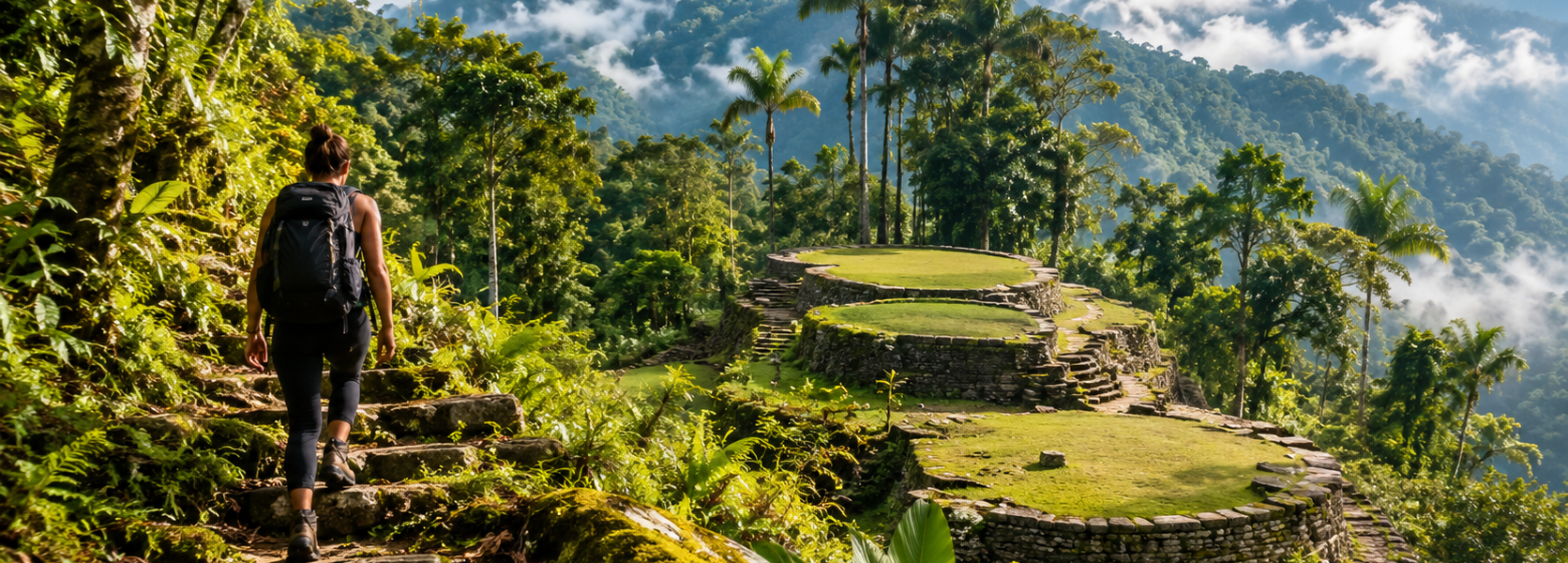
Emerging from the dense canopy into the Lost City was breathtaking. The archeological site is remarkably expansive, consisting of massive circular terraces carved directly into the mountainside. Constructed by the Tairona civilization around 800 AD, this city predates Peru’s famous Machu Picchu by several centuries. Although abandoned during the Spanish conquest in the 16th century, the site was ultimately rediscovered in the 1970s.
Our knowledgeable guide provided an immersive historical tour, explaining that the visible terraces represent only a small fraction of the sprawling metropolis hidden beneath the jungle floor. We climbed to the highest prominent terrace, capturing spectacular panoramic views of the ancient foundations framed by emerald peaks. After soaking in the magic of the ruins, we descended back to Camp Paraiso for lunch and continued hiking in reverse toward Camp Mumake for our final night.
Day 4 The Return Journey
The fourth and final day requires serious mental and physical stamina. With another 5:00 AM wake-up call, we began the 16-kilometer (10-mile) return hike back to the trailhead at Machete. Fortunately, the skies were remarkably clear, unveiling sweeping views of the vibrant green Sierra Nevada mountains that had been obscured by rain on our first day.
Despite our collective exhaustion, the sense of accomplishment carried us through the final miles. We arrived back in Machete for a celebratory farewell lunch before boarding the rugged 4×4 transport back to civilization in Santa Marta. It was a grueling yet incredibly rewarding conclusion to a flawless trekking experience.
Map Of The Trail
If you prefer tracking your progress, utilizing GPS map applications like AllTrails is highly recommended. You can easily view the route, analyze the dramatic elevation profile, and mark the locations of the overnight camps. Because there is absolutely no cell service in the deep jungle, downloading an offline map before leaving Santa Marta is essential for keeping track of your daily milestones.
How Hard Is It?
Make no mistake, the Lost City Trek is genuinely challenging. The persistent humidity, relentless uphill climbs, and steep, rocky descents will push your limits. Combine the rugged terrain with a lack of premium sleep due to early wake-up calls, and your body will definitely feel the fatigue by day four.
However, the hike is absolutely manageable for anyone with a reasonable baseline of fitness and a positive attitude. You do not need to be an elite marathon runner. The guides are remarkably patient, ensuring nobody is left behind, and they schedule frequent breaks for snacks and water. Expect a rigorous physical challenge, but know that the pacing makes it an achievable triumph.
What Are The Camps Like?
While you should not expect five-star luxury in the middle of a remote jungle, the camps are surprisingly well-equipped. You will sleep in bunk beds fitted with crucial mosquito nets. The facilities include basic cold-water showers and modern flush toilets, which is a massive comfort after a sweaty day on the trail.
Most camps offer limited electricity and Wi-Fi, often available for a minor cash fee. Keep in mind that generators are typically switched off around 9:00 PM, so you must charge your devices and finish your evening routines early. Amazingly, each camp features a small kiosk selling cold beer, sports drinks, toilet paper, soap, and snacks. It is a fantastic convenience that allows you to pack a bit lighter.
Is It Safe?
The Lost City Trek boasts an excellent safety record. While certain regions of Colombia require heightened security awareness, this specific tourist corridor is heavily monitored and generally immune to major crime. The local indigenous communities and trekking operators are deeply invested in maintaining a secure environment for visitors.
The primary safety concerns on this trail are entirely environmental. The risk of twisting an ankle on slippery rocks, suffering from dehydration, or experiencing severe sunburn is much higher than any security threat. Hiking with caution and proper footwear is your best defense.
Food Safety
Food and water hygiene standards have improved drastically over the years, but traveler’s diarrhea remains a slight possibility when dining in remote jungle camps. The camp cooks do a remarkable job preparing fresh, tasty meals featuring rice, pasta, vegetables, eggs, and various meats. They even serve hot coffee and chocolate at sunrise.
Every camp provides filtered drinking water. However, if you possess a sensitive stomach, bringing your own water purification tablets or a specialized filter bottle is a smart precaution. Some hikers also opt to purchase sealed bottled water from the trailside kiosks to eliminate any risk entirely.
Best Trekking Company
Because the local authorities strictly regulate access to Ciudad Perdida, only a select group of authorized tour operators are permitted to guide hikers. The positive side of this regulation is that the quality, itinerary, and pricing are highly standardized across the board.
Reputable agencies are known for employing bilingual, highly professional guides who go out of their way to ensure group safety and morale. Whether you book directly through a local agency or use an international booking platform, you are guaranteed a high standard of service and cultural respect.
Is It Worth It?
The cost of the Lost City Trek has steadily increased over the past decade, currently sitting around $520 USD per person. While this may seem like a steep price tag for a multi-day hike, you must consider the incredible value. The fee covers absolutely everything: round-trip transportation, three nights of lodging, all meals, indigenous community fees, and expert guiding.
Given the rising popularity of the trail and the strict daily visitor caps, prices are likely to climb further in the future. If this ancient wonder is on your bucket list, doing it sooner rather than later is highly recommended. The unparalleled combination of history, culture, and extreme nature makes every penny worth it.
Can You Hike Independently?
No, independent hiking is strictly prohibited on the Lost City trail. You cannot just show up with a backpack and a map. Hiring a licensed guide is a mandatory requirement designed to protect the fragile archeological site and respect the territories of the local indigenous populations.
The mandatory tour fees inject vital funds directly into the rural economy, ensuring the trails are maintained, the camps remain stocked, and the local guides can support their families. It is a highly sustainable tourism model that benefits everyone involved.
What To Bring
- Backpack: A comfortable 30-liter daypack is ideal. Leave your massive luggage in Santa Marta.
- Spare Clothes: Pack lightweight, moisture-wicking shirts and shorts. Avoid heavy hoodies or sweatpants, as the jungle heat and humidity remain oppressive even at night.
- Swimsuit: Essential for cooling off in the natural river pools.
- Footwear: Sturdy, broken-in hiking boots with good traction, plus a pair of lightweight sandals to let your feet breathe at camp.
- Plastic Bags: Crucial for isolating your wet, muddy clothes from your clean, dry gear.
- Sun and Bug Protection: A wide-brimmed hat, strong sunscreen, and high-quality insect repellent are non-negotiable.
- Waterproof Cover: A reliable rain cover for your backpack will save your electronics and dry clothes during sudden downpours.
- Cash: Bring small bills in Colombian Pesos to purchase Wi-Fi access, cold drinks, or emergency supplies at the camps.
Best Time To Go
The optimal time to tackle the Lost City Trek is during the dry season, which generally runs from December through April. You will experience clearer skies, significantly less mud, and safer trail conditions.
Hiking during the wet season (May to August and October to November) is possible, but you must be prepared for daily torrential downpours that turn the steep paths into treacherous slip-and-slides. Please note that the trail is completely closed for the entire month of September to allow the ecosystem to recover and to permit the indigenous communities to perform spiritual cleansing rituals.
Other Tips For The Trek
Do not expect to have cellular service once you leave the highway. Prepare to completely disconnect from the digital world, though emergency Wi-Fi can be purchased at the camps. If you are worried about the physical strain of carrying a heavy backpack, the trekking companies offer mule porter services for an additional fee, allowing you to hike with just a small daypack.
Finally, almost all tour operators and hotels in Santa Marta offer secure luggage storage for the larger suitcases you do not want to drag into the jungle. Pack smart, stay hydrated, and get ready for the adventure of a lifetime!